
New Mexico Police Claim Smartphones Spread the Word About DUI Checkpoints
Last Updated on December 10, 2025
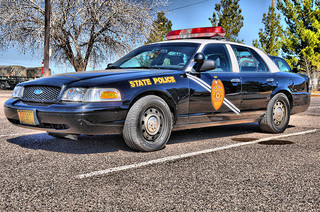
Whether you love it or hate it, technology is woven into almost every part of modern life. Smartphones, GPS, apps, and instant communication tools have become second nature—even to older generations who once found them intimidating. This shift hasn’t just changed how we talk to one another. It has also changed how drivers interact with the road, law enforcement, and safety initiatives. One example: New Mexico police have expressed concern that drivers are using their smartphones to warn others about DUI checkpoints, potentially reducing the number of arrests.
Key Takeaways
- Drivers increasingly use smartphones and apps to share DUI checkpoint locations, raising concerns among police.
- Many alert apps serve broader safety purposes, including warnings for hazards, school zones, and accident areas.
- Safe-driving apps like TextArrest and Drivesafely Pro help reduce distracted driving by limiting screen use or enabling hands-free communication.
- Using technology to become a safer driver can help prevent accidents and keep auto insurance rates low.
According to law enforcement officials, real-time alerts circulating on social media and through text messages may have contributed to lower DUI arrest numbers on recent holiday weekends. Still, police emphasize that if you drive drunk, you will eventually get caught. And historically, people have always warned friends and neighbors about checkpoints—technology has simply made it faster and more widespread.
DUI checkpoints exist not only to catch impaired drivers but also to deter people from driving drunk in the first place. Even if some drivers avoid certain locations because of alerts, others may choose safer alternatives such as calling a ride service or taking a cab. Technology can both help and hinder—but it isn’t going away.
How Technology Is Influencing Driving Habits
Drivers today have countless ways to share information instantly. Some call or text each other. Others use Twitter, navigation apps, or community-driven tools that flag DUI checkpoints and road hazards. The iPhone and Android ecosystems even include apps designed to help users identify potential road risks—including sobriety checkpoints.
More than a decade ago, lawmakers raised concerns about such apps. For example, several U.S. senators once asked Apple and other mobile platforms to remove apps like PhantomAlert, arguing that they could help impaired drivers evade law enforcement. PhantomAlert, however, responded by saying the purpose of its service was misunderstood. The company noted that its database also warns drivers about school zones, red-light cameras, accidents, sharp curves, and other hazards—not just checkpoints.
The overall intent of most driver-alert apps is broader than helping people avoid DUI trouble. Night-shift workers, for example, may simply want to know if a checkpoint could slow their commute. Regardless of how the information is used, app-based navigation and alert systems are here to stay.
Apps Designed to Make Driving Safer
Not all driving-related apps focus on alerts. Many are built to make the roads safer—especially in an era when distracted driving is one of the most common causes of accidents.
TextArrest, for example, automatically locks a phone’s screen when it detects a vehicle traveling above a certain speed, helping prevent texting and driving. This type of app can give parents peace of mind when their teenagers are on the road.
Another tool, Drivesafely Pro, reads incoming texts and emails aloud and can send automated responses. This allows drivers to keep their eyes on the road while staying informed. With many states now limiting or banning handheld phone use, hands-free communication tools are becoming increasingly relevant for commuters and professionals who spend a lot of time behind the wheel.
How Technology Can Help Your Insurance
Anything that helps you become a safer driver is also good for your insurance rates. We all know the basics of safe driving—but sticking to them is harder when a phone is buzzing in your hand. Apps that limit distractions, encourage hands-free communication, or alert you to hazards reduce the likelihood of an accident.
Fewer accidents mean you get to keep your low insurance rates. That’s one of the best side effects of embracing smarter, safer-driving technology.

Leave a Reply